
Dengue : Symptoms, Causes, Treatment, And Prevention

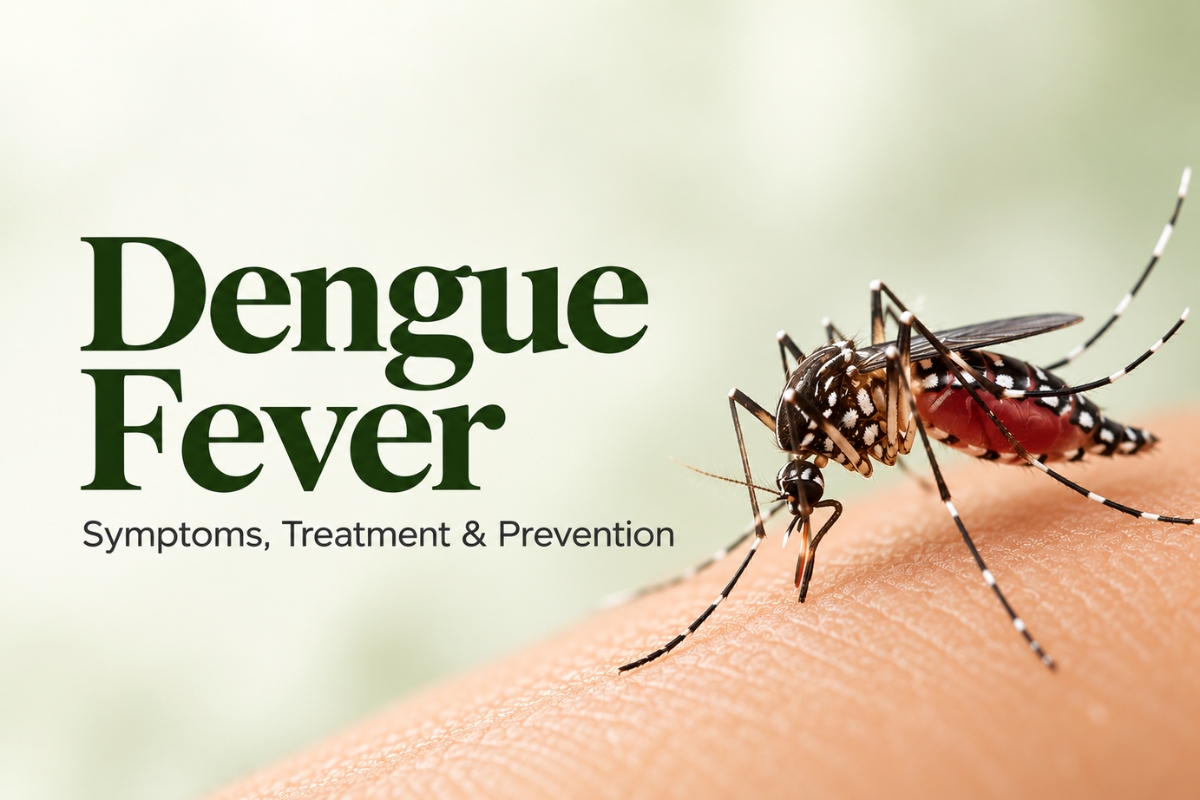
Dengue fever is a mosquito-borne viral infection that affects millions of people around the world. It is especially common in tropical and subtropical regions, including Pakistan, where warm weather and standing water can create suitable conditions for mosquitoes to breed.
Understanding dengue fever is important because its symptoms can initially resemble other illnesses. While many people recover with appropriate care, some develop severe dengue that requires urgent medical attention.
In this guide, you will learn what dengue fever is, how it spreads, its common symptoms, warning signs, diagnosis, treatment, safe home care tips, and practical ways to protect yourself and your family.
What Is Dengue Fever?
Dengue fever is an infection caused by the dengue virus. It spreads primarily through the bite of an infected female Aedes mosquito, particularly Aedes aegypti.
The infection can cause symptoms ranging from mild fever to a serious illness known as severe dengue. Some infected people may have no noticeable symptoms, while others experience significant body pain, headaches, nausea, and fatigue.
There are four main dengue virus types, commonly called DENV-1, DENV-2, DENV-3, and DENV-4. A person can become infected with dengue more than once because infection with one type does not provide complete protection against the others.
Most people with symptomatic dengue recover within one to two weeks. However, recognising warning signs and seeking medical care promptly can be lifesaving.
For more information, read the World Health Organization’s dengue fact sheet.
How Does Dengue Fever Spread?
Dengue spreads mainly through infected mosquitoes, not through ordinary person-to-person contact.
The transmission process generally follows these steps:
- A mosquito bites an infected person: The mosquito takes a blood meal from someone carrying the dengue virus.
- The virus develops inside the mosquito: After the virus multiplies inside the mosquito, the insect can become capable of transmitting it.
- The infected mosquito bites another person: The virus can enter the next person’s body during the bite.
- The infection develops: Symptoms, if they occur, usually begin around 4–10 days after infection.
The mosquitoes responsible for dengue often live in and around homes, gardens, schools, and workplaces. They can breed in containers holding stagnant water, including buckets, flowerpots, discarded tyres, and uncovered water storage containers.
Dengue does not normally spread through touching, hugging, sharing meals, or sitting beside an infected person. However, mosquitoes can pick up the virus from an infected person and transmit it to others.
This is why preventing mosquito bites is important even when someone in the household is already receiving treatment for dengue.
What Are the Common Symptoms of Dengue Fever?
Dengue symptoms usually begin 4–10 days after infection, although the timing can vary. Some infected people experience no symptoms at all.
Common symptoms include:
- High fever
- Severe headache
- Pain behind the eyes
- Muscle and joint pain
- Nausea and vomiting
- Skin rash
- Swollen glands
- Weakness and fatigue
Symptoms may last around 2–7 days. Because dengue can resemble other infections, symptoms alone cannot confirm the diagnosis.
If you develop a high fever with body pain or other possible dengue symptoms, especially in an area where dengue is circulating, contact a healthcare professional for assessment.
What Are the Warning Signs of Severe Dengue?
Severe dengue can become life-threatening. Warning signs may appear as the fever begins to settle, so a lower temperature does not always mean that the illness is over.
Seek urgent medical care if you or a family member experiences any of the following:
- Severe or persistent abdominal pain
- Repeated vomiting
- Bleeding from the nose or gums
- Blood in vomit or stool
- Rapid or difficult breathing
- Extreme tiredness, drowsiness, or restlessness
- Pale, cold, or clammy skin
- Marked weakness or signs of dehydration
These symptoms may indicate complications such as fluid leakage, severe bleeding, or organ involvement. Do not wait for every warning sign to appear before seeking help.
Important: The period around the time a fever settles can be particularly dangerous for some patients. Continue monitoring symptoms and follow the healthcare professional’s instructions, even if the fever has improved.
For additional guidance, see the CDC’s dengue symptoms and warning signs.
What Causes Dengue Fever?
Dengue fever is caused by the dengue virus, which is transmitted primarily by infected Aedes mosquitoes.
Several environmental and household conditions can increase the likelihood of mosquito breeding and exposure.
1. Stagnant Water
Mosquitoes can lay eggs in water collected in buckets, pots, tyres, bottles, and other containers. Even small amounts of standing water can provide breeding sites.
2. Warm and Humid Weather
Warm conditions can support mosquito survival and virus transmission. Dengue risk varies by location, season, rainfall, and other environmental factors.
3. Uncovered Water Containers
Water storage containers that are left uncovered can provide places for mosquitoes to lay eggs.
4. Lack of Mosquito Protection
Open windows without screens, uncovered skin, and not using suitable mosquito repellents can increase exposure to mosquito bites.
5. Inadequate Waste Management
Discarded containers, plastic items, and old tyres may collect rainwater and create additional breeding sites.
These conditions help mosquitoes multiply, but dengue itself is caused by the virus, not by dirty water or poor hygiene alone.
How Is Dengue Fever Diagnosed?
A healthcare professional may assess your symptoms, medical history, recent travel, and possible exposure to dengue.
A blood test can help confirm the infection. The most appropriate test depends on how long you have been ill and which tests are available.
Doctors may also request a complete blood count (CBC) or other investigations to monitor the patient’s condition. Platelet counts and other laboratory results must be interpreted alongside symptoms, examination findings, and changes over time.
A single test result should not be used on its own to determine whether someone has severe dengue or needs hospital care.
If dengue is suspected, seek medical advice rather than relying only on home testing or online symptom checkers.
How Is Dengue Fever Treated?
There is currently no specific antiviral medicine that cures dengue. Treatment focuses on supportive care, hydration, symptom relief, and monitoring for complications.
The appropriate treatment depends on the person’s condition and should be guided by a healthcare professional.
1. Get Medical Advice
Contact a healthcare professional if dengue is suspected. Follow the recommended testing, follow-up, and monitoring plan.
2. Rest Adequately
Rest can help you manage fatigue and recover while your body fights the infection.
3. Maintain Fluid Intake
Drink fluids regularly according to your needs and your healthcare professional’s advice. Water and appropriate oral rehydration or electrolyte fluids may help prevent dehydration.
Persistent vomiting or an inability to drink enough requires prompt medical assessment.
4. Use Fever Medication Safely
Paracetamol (acetaminophen) may be recommended for fever and pain when used according to medical advice and the product label.
Avoid aspirin, ibuprofen, and other non-steroidal anti-inflammatory drugs unless specifically directed by a qualified healthcare professional, because these medicines can increase bleeding risk in dengue.
Do not self-prescribe medicines or assume that a home remedy can treat the virus.
5. Follow Medical Monitoring Advice
Some patients can recover at home under medical guidance, while others need hospital care. Monitoring may include symptoms, fluid intake, urine output, blood tests, and other clinical findings.
Seek urgent care immediately if any warning signs develop.
For more details, consult the CDC’s dengue treatment guidance.
How to Manage Dengue at Home? Safe Home Care Tips
Mild dengue may sometimes be managed at home under the guidance of a healthcare professional. Proper hydration, adequate rest, and careful monitoring can help support recovery. However, home care does not cure the dengue virus or replace medical treatment.
1. Drink Plenty of Fluids
Drink water regularly throughout the day. Oral rehydration solution (ORS) or other suitable fluids may help replace fluids lost through fever and vomiting. Follow your healthcare professional’s advice about how much fluid you need.
If you have persistent vomiting or cannot keep fluids down, seek medical care promptly.
2. Get Enough Rest
Allow your body to rest and avoid strenuous activities while recovering. Adequate sleep and rest can help manage fatigue and weakness.
Do not push yourself to return to normal activities if you are still feeling very weak.
3. Eat Light, Nutritious Foods
Choose foods that are easy to tolerate, such as soup, rice, bananas, porridge, and other balanced meals. Eat small portions if nausea makes eating difficult.
There is no single food that cures dengue. Focus on a balanced diet and sufficient fluids according to your tolerance and medical advice.
4. Use Medicines Carefully
Paracetamol may be used for fever and pain if recommended by a healthcare professional and taken according to the product label.
Avoid aspirin, ibuprofen, and other non-steroidal anti-inflammatory drugs because they may increase the risk of bleeding in dengue. Do not take antibiotics or other medicines without medical advice.
5. Monitor Symptoms Regularly
Keep track of fever, fluid intake, urination, vomiting, and general weakness. Follow any medical appointments and blood-test recommendations provided by your healthcare professional.
Remember that serious dengue warning signs can appear even when the fever starts to decrease.
6. Can Papaya Leaf Juice or Other Home Remedies Cure Dengue?
Papaya leaf juice, herbal drinks, and other traditional remedies are sometimes promoted for dengue. However, there is not enough reliable evidence to establish them as a safe and effective cure.
They should not replace medical assessment, prescribed monitoring, or supportive care. Do not assume that a natural product is automatically safe, particularly for children, pregnant people, or patients taking other medicines.
Consult a healthcare professional before using herbal preparations or supplements during dengue.
7. Know When Home Care Is Not Enough
Seek urgent medical attention if the patient develops:
- Severe abdominal pain
- Repeated vomiting
- Bleeding from the nose or gums
- Blood in vomit or stool
- Breathing difficulties
- Unusual drowsiness or restlessness
- Cold and clammy skin
- Severe weakness or other signs of serious illness
Do not wait for all symptoms to appear or assume that the patient is safe because the fever has gone down.
Important: Home care is appropriate only when a healthcare professional considers it safe. Dengue can become severe quickly, so medical follow-up and monitoring are essential.
How Can You Prevent Dengue Fever?
Preventing mosquito bites and eliminating mosquito breeding sites are the most important ways to reduce dengue risk.
1. Remove Standing Water
Inspect your home and surroundings regularly. Empty, clean, or dispose of containers that collect water.
2. Cover Water Storage Containers
Keep water tanks, buckets, and other storage containers securely covered. Clean them regularly and follow local public health recommendations.
3. Use Mosquito Repellent
Use a suitable mosquito repellent containing an approved active ingredient, such as DEET, picaridin, or IR3535. Follow the product label and age-specific safety instructions.
4. Wear Protective Clothing
Wear clothing that covers your arms and legs when practical, especially in areas with many mosquitoes.
5. Install Window and Door Screens
Screens can help keep mosquitoes outside. Repair holes and gaps that allow insects to enter the home.
6. Use Mosquito Nets When Appropriate
Mosquito nets can provide protection, particularly for infants, people resting during the day, or anyone who needs additional protection from bites.
7. Keep Your Surroundings Clean
Dispose of rubbish properly, clear blocked drains where possible, and remove discarded items that can hold rainwater.
8. Protect an Infected Family Member From Mosquito Bites
Use appropriate repellents, screens, and nets to reduce the chance of mosquitoes biting an infected person and then transmitting the virus to someone else.
9. Support Community Prevention
Dengue prevention works best when households, schools, workplaces, and local authorities work together to reduce mosquito breeding sites.
For further recommendations, visit the WHO dengue prevention guidance.
Can Dengue Fever Be Prevented Completely?
No prevention method can guarantee complete protection, but reducing mosquito bites and breeding sites can lower the risk considerably.
Dengue vaccines are available in some countries for specific groups and circumstances. Their suitability depends on local recommendations, age, previous infection, and other factors.
Vaccination should be discussed with a qualified healthcare professional and should not replace mosquito-bite prevention.
Dengue Fever Myths and Facts
Myth 1: Dengue Spreads Directly From One Person to Another
Fact: Dengue is primarily transmitted through infected mosquitoes. Ordinary contact, such as hugging or sharing meals, does not normally spread it.
Myth 2: Fever Going Down Always Means Recovery
Fact: Some patients develop severe warning signs as their fever settles. Continue monitoring symptoms and follow medical advice.
Myth 3: Every Person With Dengue Needs the Same Treatment
Fact: Treatment depends on symptoms, hydration, medical history, test results, and the presence of warning signs.
Myth 4: Home Remedies Can Cure Dengue
Fact: There is no established home remedy that cures the dengue virus. Medical assessment, appropriate supportive care, and monitoring are important.
Myth 5: A Low Platelet Count Alone Tells You How Severe Dengue Is
Fact: Platelet counts are only one part of the clinical picture. Healthcare professionals assess the patient’s overall condition, warning signs, and other findings to determine the appropriate care.
Frequently Asked Questions About Dengue Fever
1. How Does Dengue Fever Spread?
Dengue spreads mainly when an infected mosquito bites a person. The mosquito can acquire the virus from an infected person and transmit it to another person after the virus develops inside the mosquito.
2. How Many Days After a Mosquito Bite Do Dengue Symptoms Appear?
Symptoms commonly begin 4–10 days after infection, although some infected people never develop noticeable symptoms.
3. What Are the First Symptoms of Dengue Fever?
Early symptoms may include high fever, headache, pain behind the eyes, muscle and joint pain, nausea, and vomiting. A rash may also occur.
4. Can Dengue Become Dangerous After the Fever Goes Away?
Yes. Warning signs of severe dengue may develop as the fever settles. Severe abdominal pain, repeated vomiting, bleeding, breathing difficulties, or extreme weakness require urgent medical attention.
5. Is There a Specific Medicine That Cures Dengue?
No specific antiviral medicine currently cures dengue. Treatment focuses on supportive care, hydration, symptom management, and monitoring for complications.
6. Can Dengue Spread by Touching an Infected Person?
Dengue does not normally spread through ordinary physical contact. Its main route of transmission is through infected mosquitoes.
7. How Can Families Reduce Dengue Risk at Home?
Remove standing water, cover water containers, use appropriate mosquito repellents, wear protective clothing, install screens, and prevent mosquitoes from biting anyone who has dengue.
8. Can Dengue Be Treated at Home?
Some patients with mild dengue may be managed at home under medical supervision. They need adequate fluids, rest, careful monitoring, and follow-up as advised by a healthcare professional. Warning signs require urgent medical care.
9. Can Papaya Leaf Juice Cure Dengue?
No reliable evidence establishes papaya leaf juice as a cure for dengue. Do not use it as a replacement for medical care or recommended monitoring.
10. When Should Someone With Suspected Dengue Go to the Hospital?
Seek urgent medical care for severe abdominal pain, persistent vomiting, bleeding, breathing difficulties, unusual drowsiness, cold or clammy skin, or other signs of serious illness. Do not wait for symptoms to worsen.
Final Thoughts
Dengue fever is a mosquito-borne viral infection that can range from a mild illness to a life-threatening condition. Understanding how dengue spreads, recognising its symptoms, and taking steps to prevent mosquito bites can help protect individuals and communities.
If dengue is suspected, seek medical advice promptly. Rest, adequate fluid intake, and appropriate symptom management may support recovery when home care is considered safe by a healthcare professional. However, no home remedy has been established as a cure for dengue.
Remove standing water, cover water storage containers, use suitable mosquito protection, and follow medical advice throughout recovery. Pay particular attention to warning signs when the fever begins to settle,u as this can be a critical period for some patients.
Early recognition, appropriate medical care, and community prevention efforts are essential for reducing the impact of dengue fever.
Medical Disclaimer: This article is for general educational purposes only and does not replace professional medical advice, diagnosis, or treatment. If dengue is suspected, contact a qualified healthcare professional. Seek urgent medical attention if warning signs of severe dengue appear.








 Deals
 NAIL SUPPLEMENTS
 Serum
 MENTAL HEALTH