
Hair Care Tips: Healthy Hair, Growth & Hair Fall Prevention

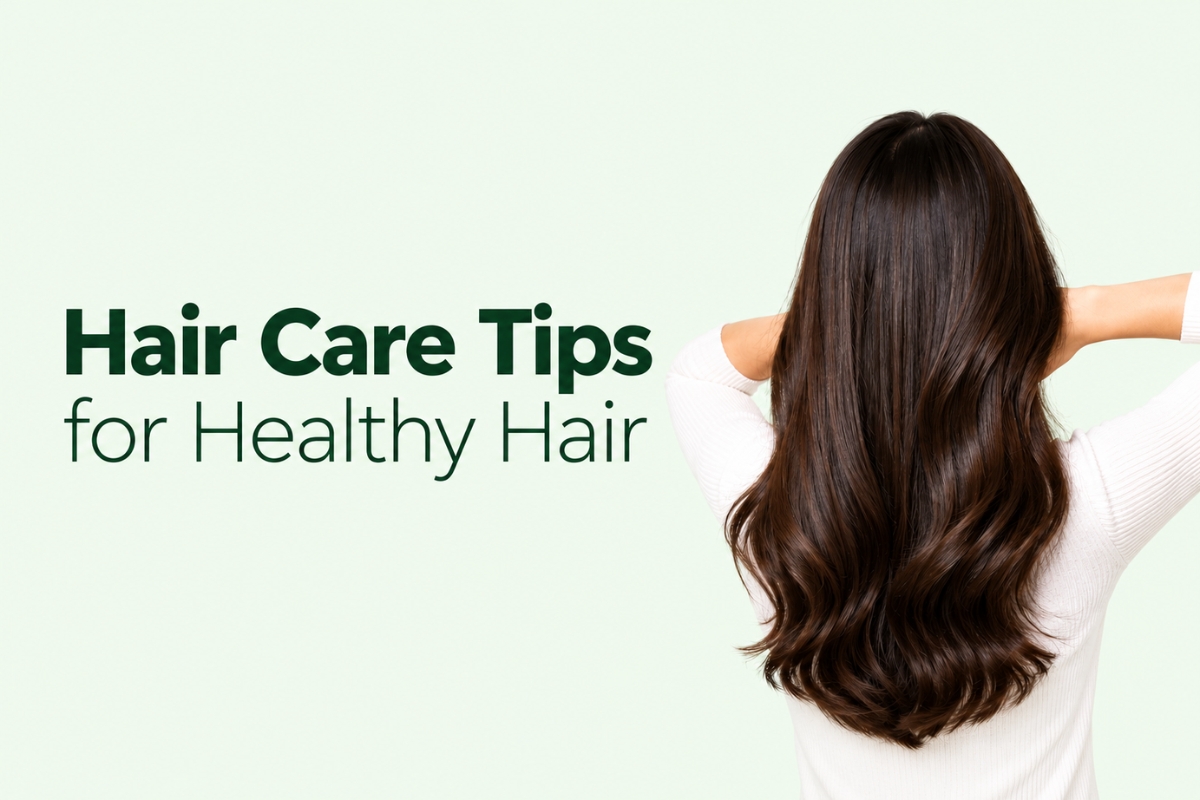
Healthy-looking hair starts with a consistent hair care routine, gentle handling, proper nutrition, and a healthy scalp. Whether you experience dryness, frizz, breakage, or hair thinning, understanding your hair’s needs can help you make better everyday choices.
In this guide, discover simple hair care tips, common causes of hair fall, scalp care practices, and everyday habits that support healthier-looking hair.
Why Is Hair Care Important?
Your hair is affected by several factors, including genetics, age, nutrition, stress, hormonal changes, and styling habits. A suitable hair care routine can help keep your scalp clean, reduce avoidable breakage, and improve hair manageability.
Healthy hair care is not just about using products. Your daily habits and overall health also play an important role.
Common Causes of Hair Fall
Hair shedding is a normal part of the hair growth cycle. However, noticeable hair loss can have different causes, including:
- Nutritional deficiencies: Low levels of certain nutrients, such as iron, may contribute to hair loss.
- Stress: Significant physical or emotional stress can trigger temporary shedding.
- Hormonal changes: Certain hormonal changes and thyroid conditions may affect hair growth.
- Genetics: Hereditary hair loss can cause gradual thinning.
- Hair styling damage: Excessive heat, tight hairstyles, bleaching, and harsh treatments can weaken hair.
- Scalp conditions: Some scalp problems can cause itching, inflammation, or hair loss.
Understanding the possible cause of hair loss is important because different concerns may require different solutions.
7 Simple Hair Care Tips for Healthy Hair
1. Choose the Right Shampoo
Choose a shampoo that suits your scalp and hair type. Oily scalps may need more frequent washing, while dry or curly hair may benefit from gentler cleansing.
Focus on cleaning your scalp without unnecessarily drying out your hair.
2. Use Conditioner Regularly
Conditioner helps smooth the hair, improve manageability, and reduce friction that can contribute to breakage. Apply it mainly to the lengths and ends if your scalp tends to become oily.
3. Avoid Excessive Heat Styling
Frequent use of straighteners, curling irons, and high-heat blow-drying can damage hair. Use lower heat settings, limit styling frequency, and apply a suitable heat protectant when needed.
4. Handle Wet Hair Gently
Wet hair can be more vulnerable to breakage. Avoid vigorous towel rubbing and use a wide-tooth comb to detangle gently, starting at the ends and moving upward.
5. Eat a Balanced Diet
Hair needs adequate nutrition to grow normally. Include protein-rich foods, vegetables, fruits, whole grains, and sources of iron and other essential nutrients in your diet.
Eggs, beans, lentils, fish, nuts, and seeds can contribute to a balanced eating pattern.
6. Maintain a Healthy Scalp
Keep your scalp clean and pay attention to persistent itching, redness, flaking, or discomfort. Avoid scratching aggressively or applying irritating home remedies.
If scalp symptoms continue or hair loss becomes noticeable, consider seeking advice from a qualified healthcare professional.
7. Be Consistent With Your Routine
Hair does not change overnight. A consistent routine can help reduce avoidable damage, but hair growth and shedding depend on several individual factors.
Avoid products that promise instant growth or guaranteed results. Give your routine time and seek professional advice if your hair concerns persist.
Foods and Nutrients That Support Healthy Hair
A balanced diet supports normal hair growth and overall health. Important nutrients include:
- Protein: Supports the structure of hair.
- Iron: Helps support normal body functions involved in healthy hair growth.
- Zinc: Contributes to normal cell growth and tissue maintenance.
- Vitamin B12 and folate: Support normal blood cell formation.
- Vitamin D: Plays several important roles in the body.
Can Hair Care Products and Supplements Help?
Hair oils, shampoos, conditioners, and nutritional supplements serve different purposes. Conditioners can improve manageability, while some oils may help reduce dryness and friction.
Supplements may be useful when specific nutritional needs are not being met, but they cannot address every cause of hair loss.
If you are exploring nutritional options as part of your personal hair care routine, you can review the available information about ELANZA Hair Supplements at Natural Herbal Hub.
When Should You Seek Professional Advice?
Consider consulting a healthcare professional if you experience:
- Sudden or excessive hair shedding
- Bald patches or rapidly progressing thinning
- Scalp pain, redness, swelling, or persistent itching
- Hair loss accompanied by other unexplained symptoms
- Hair loss that continues or causes concern
A healthcare professional can help identify possible causes and discuss suitable treatment options.
Frequently Asked Questions
How often should I wash my hair?
It depends on your scalp, hair texture, activity level, and product use. Wash as often as needed to keep your scalp comfortable and clean.
Does trimming hair make it grow faster?
No. Trimming does not change the rate of hair growth at the scalp, but it can remove damaged ends and help hair look neater.
Can hair oil prevent hair fall?
Some oils may help condition hair and reduce friction, but oiling cannot prevent every type of hair loss. Stop using any product that irritates your scalp.
Which foods are good for healthy hair?
A varied diet containing adequate protein, iron, zinc, and other essential nutrients supports normal hair health. Individual needs differ.
Can supplements stop hair fall completely?
No supplement can guarantee that. Benefits depend on the ingredients, individual nutritional needs, and underlying cause of hair loss.
Final Thoughts
Healthy-looking hair is supported by gentle care, balanced nutrition, scalp hygiene, and realistic expectations. Start with simple habits, avoid unnecessary damage, and pay attention to changes in your hair and scalp.
If hair loss is sudden, persistent, or unusual, identifying the cause is more helpful than relying on a single product or home remedy.
Disclaimer: This article is for general educational purposes only and does not replace professional medical advice, diagnosis, or treatment.











 Deals
 NAIL SUPPLEMENTS
 Serum
 MENTAL HEALTH